
Bad Contractor Warning Signs: How to Spot Trouble Before It Starts
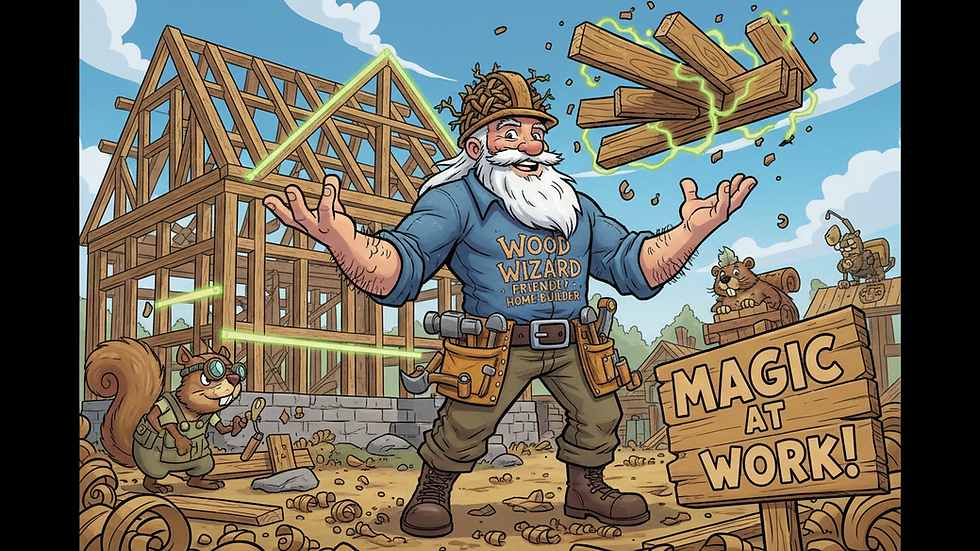
When you’re ready to build your dream home or restore a historic gem in Savanna, Galena, or anywhere in Jo Davies and Carroll counties, you want a contractor who’s more wizard than warlock. After 20 years swinging hammers and casting carpentry spells, I’ve seen it all. The good, the bad, and the downright ugly. Today, I’m here to share some hard-earned wisdom on recognizing the signs of a bad contractor. Think of me as your wood wizard, waving my wand to save you from costly mistakes and headaches.
Spotting Bad Contractor Warning Signs Early
You wouldn’t hire a magician who can’t pull a rabbit out of a hat, right? Same goes for contractors. Here are some red flags that scream “run” before you even sign a contract:
No Written Contract: If they’re all talk and no paper, that’s a bad sign. A solid contract protects both sides.
Unclear Pricing: Vague estimates or prices that keep changing? That’s a recipe for budget disaster.
Poor Communication: If they dodge your calls or emails, imagine how they’ll handle problems on site.
No References or Portfolio: A reputable contractor will happily show you past work and provide references.
Demanding Large Upfront Payments: A reasonable deposit is normal, but a full upfront payment is a red flag.
Lack of Proper Licensing and Insurance: Always verify licenses and insurance before work begins.
These warning signs aren’t just annoyances. They can lead to shoddy work, delays, and even legal trouble. Don’t let your dream project turn into a nightmare.

What Not to Tell a Contractor?
You might think sharing every detail about your budget or your timeline is helpful. Sometimes, it’s not. Here’s what to keep close to the vest:
Your Absolute Bottom Line Budget: If a contractor knows your max budget, they might cut corners to stay under it.
Too Much Flexibility on Timeline: If they know you’re in no rush, they might stretch the project longer than needed.
Your Lack of Experience: Don’t let them think you’re clueless. Stay informed and ask questions.
Other Bids You’ve Received: This can lead to a bidding war that might sacrifice quality for price.
Keep your cards close, but don’t be secretive. Transparency is key, but strategic transparency wins the game.
How to Verify a Contractor’s Credentials
In Illinois, Iowa, and Wisconsin, licensing and insurance rules vary. Here’s how to make sure your contractor is legit:
Check State Licensing Boards: Each state has a website where you can verify licenses.
Ask for Proof of Insurance: General liability and workers’ comp are must-haves.
Request References: Call previous clients and ask about their experience.
Visit Past Job Sites: If possible, see the work firsthand.
Look for Local Business Reviews: Google, Yelp, and Better Business Bureau can be helpful.
A contractor who’s proud of their work will have no problem providing this info. If they hesitate, that’s a warning.

Common Tactics Bad Contractors Use to Trick You
Some contractors are smooth talkers. They know how to charm you while cutting corners. Watch out for these tricks:
Lowball Bids: They offer a price that’s too good to be true, then add hidden fees later.
Pressure to Sign Quickly: They want your signature before you’ve had time to think or check references.
Using Subpar Materials: They promise premium materials but use cheaper alternatives.
No Permits or Inspections: Skipping permits saves time and money but can cause big problems.
Disappearing Mid-Project: They vanish when payment is due or when problems arise.
Don’t fall for the smoke and mirrors. Ask tough questions and trust your gut.
What to Do If You Suspect You’ve Hired a Bad Contractor
If you’re already in the middle of a project and things feel off, don’t panic. Here’s your game plan:
Document Everything: Take photos, keep emails, and write down conversations.
Communicate Clearly: Address issues directly with the contractor.
Request a Meeting: Face-to-face talks can clear up misunderstandings.
Consult a Third Party: Bring in an independent inspector or another contractor for a second opinion.
Know Your Legal Rights: Check local laws and consider mediation or legal advice if needed.
Remember, a good contractor will want to fix problems, not hide from them.
Built Once. Built Right.
Building or restoring a home is no small feat. It takes skill, honesty, and a bit of magic. As your local wood wizard, I’m here to make sure your project is done right the first time. If you want craftsmanship that stands the test of time across Illinois, Iowa, and Wisconsin, you know who to call.
Don’t let the signs of a bad contractor catch you off guard. Stay sharp, ask questions, and demand quality. Your home deserves nothing less.
Ready to build something great? Let’s talk.

Built Once. Built Right.


Comments